Research
Research
Documentary
What is it and whats their purpose?
A Documentary is a non-fiction film and is intended to convey facts to the viewer. Its used to document / record the world for eduactional or historical reasons.
Documentary Conventions
Interview (Talking Heads) - conveys different perspectives of the topic and can create or enhance the arguement.
Narrator (Voice Of God)
B-Roll
Archival Footage / Image -
Handheld - Makes it feel real and on the spot instead of scripted. (Was used in Blair Witch to make it seem real and like a documentary)
Modes Of Documentary
Expository
This Mode Brings Together Parts of the historical world to assemble an argumentative frame rather than a poetic one. It Addresses the viewer directly via titles and voices that propose a perspective, recount history or advance the argument. The codes and conventions of an expository documentry are as followed: Interviews, Voice over, Archived media, music, The images supports the argument & direct address.
Poetic
The Documentary maker gives their subjective view, Its not in the typical narrative structure that you would find in other modes. The overall tone/mood is created or enhanced by the soundtrack, they also use unrelated shots which are edited together and are then linked by the music.
Performative
Focuses more on the filmmaker and uses their own experiences to drive the narrative. It puts us in the mind of someone who has experienced or is currently experiencing the subject of the doc. Its designed to evoke an emotional response by showing peoples personal feelings in the moment. Its Codes and conventions consist of: Voiceover, Sound Effects, Relative sound, improvised interviews, follow the presenter, archival footage. an example of Performative documentary would be Michael Moore's "Bowling for columbine" which explores the high amount of gun deaths in America, something he personally cares about as an activist.
Interactive
Interactive is easily confused with Performative because of their simularities. for example, they both include the filmmaker as the main character who drives the narrative but the main difference between the two is that the filmmaker doesn't have to be personally affected by the subject but is interviewing those who are. Just like performative the codes and conventions consist of: Voiceover, shoot interviews, following the filmmaker, but also the filmmaker will interact personally with the interviewees and will express their opinion. The biggest name known for this mode is Louis Theroux who is not personally affected but is still interested and an active figure within the documentary.
Observational
The filmmaker follows the subject around and observes their daily activities, they speed up the footage so you dont miss important moments that might've been boring,they use long takes to make sure everything is shown off. They're likely to use hand-held cameras for on the go, spontanious shooting. It's unlikely that interviews will be done. The filmmaker and crew don't typical get involved in whats being shown on screen. An example of observational would be "Nothing To Declare" where it shows an operational airport and observes people going in and out.
Reflexive
The reflexive documentary is used to provoke the audience and make them question the authenticity of the whole documentary. it forces the audience to "reflect on their perceptions". an example of a reflexive documentry would be "This is spinal tap" which is a mockumentary which includes fake interviews, clips and improve dialogue.
Interviews
The purpose of interviews in documentaries is quite simple. To convey information about the subject. Having a figure talking about the movie subject helps reinforce understanding of the issue or general topic, it can inform people of things that they might have not know or was misinformed on, what the interviewee says can be quite emotional and this feeling could work with or against the actual films narrative.

There are 6 types of questions that you can ask during an interview. open, closed, single, multiple, direct, leading.
- The purpose of an opening is to give the interviewee more than just yes and no options, they get to freely talk about the questions subject, it gives the interviewer control and sets up nicely for a follow up question
- The purpose of a closed question is for the interviewee to give a yes or no answer.Its an easy starting question to set the foundations before getting more in depth about the subject.
- A Single questions purpose is to ask a question that focuses directly on the topic. Is good to use in short interviews that include members of the public, lets you get multiple varying answers for the one question.
- The purpose of "multiple" questions is that you will recieve more than just one answer because you're asking a double barrled question, for example; "Do you like dogs and why?" "Yes i like dogs, because they're cuddly"
- The point of Direct questions is to get straight to the point, no beating around the bush but poking right in the middle. These questions tend to be quite hard hitting, important question that supports the interviewer getting into the centre of the topic. an example of a direct question would be: (to boris) "do you think you've done enough for poor children during this pandemic"
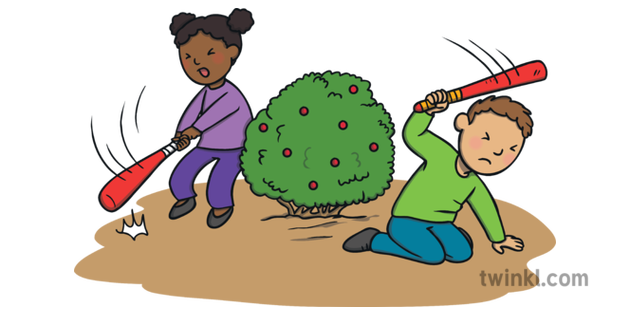
- leading questions would be the segway question which lets you change from one topic to another. these questions can come off as biased to one side and compells the interviewee to follow and agree which lets the interviewee control the interview.
A Guide to interviewing in lockdown:
- First thing you'll need to do is write your questions. While writing think about how the questions are relevant to the interviewee and how you'd rephrase them incase they aren't informed on the subject.
- After writting your questions you will need to make sure that the interviewee can take the interview on the day you need them.
- Now that you've booked the interview you could send the interviewee the questions you wrote out and let them be prepared for the interview.
- Also, don't forget about the release form. You can do this by sending them a message asking for their consent to be used in a documentry or you can ask them before you conduct the interview. Just make sure you have evidence of consent.
- Once you've done this the last thing to do is simply conduct the interview.
Example Interview with my friend about gaming in lockdown:
The Essay
This essay will answer the question "How can creative choices affect our perceptions?" and will focus on the creative decisions made when it comes to Sound and more specifically the soundtrack. Music is a giant factor when it comes to perceptions of a media product and definitely when it comes to a documentary. I will discuss the use of Foley sounds, score/soundtrack but also the narration and how it makes us feel about the whole product or a certain scene. Sound is extremely important when it comes to our perceptions and here's why.
Firstly, we will start with Foley sounds in documentaries and how the implementation of them affects our perceptions. A good example of foley being used in documentaries would be in the nature Docu-series "Our Planet: One Planet" (Netflix, 2019) where you can hear lots of Diegetic animal sounds but realistically all these sounds that you can hear are foley, this is because of the distance between the camera operator and the animals or the equipment. But if all we heard in a nature documentary was faint sounds of animals, possibly the crew chatting and the sounds of motors from the equipment, we would feel completely different than we would with a music take or animal noises. It's the editor's choice to add some form of a score, fake slow-motion sound FX or animal Foley. If we only heard the real sounds of the area we wouldn't be immersed in the environment, we would probably think that the area is actually quite quiet and empty, but with the foley added we have a much more dynamic atmosphere, the shots feel a lot more alive and full and truly reals in our interest with sound. Simon Cade sums the act of foley in a nature documentary well when he's talking about filming wolfs in a helicopter and says "if the filmmakers kept this sound in the documentary, it wouldn’t be very good for the viewer... since no one wants their ears blown out by the noise of a helicopter. Instead, filmmakers later add sounds to the scene, which imitate what’s going on in the footage." (Cade, 2017). Moving on towards how the musical score can affect our perceptions.
The score of a film can make or break your perception of the product. The use of music is a powerful tool as it can heavily influence and guide the audience's emotions through the narrative. One example of using music in a narrative way during a documentary would be the use of music in "Murder At Columbine High School" (Murder At Columbine High School, 2019). The music changes with how the events are told. after the introduction, which includes the music that sets the tone for the whole film, the music is calm as they describe the area of columbine and general life which tells us that it's a normal, peaceful town. But a more sinister hum tune plays once the narrator begins to describe the events and the music stay sinister most of the film, switching to sad when the father talks about the murder of his son during the shooting. What we can take away from this is that every genre of documentary uses similar styles of music, for example, you would hear the sinister or mysterious hums in a crim documentary but in a documentary about nature, you will hear the harmonious tunes synonymous with the genre. In documentaries, you don't usually get any contrapuntal sound because of the factual nature of the genre and I've never experienced contrapuntal sound in documentaries that I've seen. The reason behind this would be that the director doesn't want the audience to believe that they've been lied to, the only place I could see contrapuntal sound being used effectively is in a crime doc but I've not seen any examples myself. Going back to the columbine documentary, the music and lack thereof in combination with the images shown lead me to believe that Craig's sister was lost in the tragedy, the use of silence combined with the musical choice and narration was bringing me to this conclusion before
it was even mentioned, which shows how music can be used to affect our perceptions. But I mentioned narration, so let's talk about the voice in more detail.
Just like the musical score in a documentary, the narration is something that will make and break the film. If the voice of God doesn't fit into the world it's painting how can the audience be intrigued? There is a reason why David Attenborough's voice works with his Documentary genre, nature, so well. It's slow and calming, just like the documentaries he narrates. Now imagine the exact same documentary but instead of Attenborough's calm, smooth voice, imagine a Scottish man shouting his lines at you, it would be a disaster that would ruin and discredit the whole documentary. The directors have to carefully pick the correct person for the job, certain voices fit with certain genres which are summed up nicely by Alison "Traditionally, you’re probably not going to hear the voice of a teen girl narrating an environmental documentary, just as you’re unlikely to find a solemn professorial voice narrating a Beyoncé documentary."(How to Make a Great Documentary Narration - Accredited Language, 2019). The narrator is how we interpret the Documentary, without them there's no narrative to follow, we use them as a guide. They tell us how to feel, in my opinion, they are key in affecting our perceptions, we as humans can trust a certain voice. For example, in a crime documentary, we could be more likely to trust a deep, burly male voice than a high female voice, take episode one season 3 of The FBI Files "Driven to Kill" for an example (The FBI Files, 2000). It's voiced by a man with a deep voice who we could potentially trust more than a female counterpart, although this may not be true in every crime doc since a female voice can make it an easier watch.
Creative choices can affect our perceptions of the documentary by using sound to incite certain emotions and feelings while we watch. The directors purposefully and carefully pick each detail of the sound so you can feel and agree with the narrative of the documentary which you might not have before watching it. Sound in these documentaries can really affect our beliefs of the topic or even the world. After watching a documentary about Africa, your perception could be that how its portrayed in the film is how it is in real life. And that's how creative choices can affect our perceptions.
References
· Accredited Language Services. 2019. How to Make a Great Documentary Narration - Accredited Language. [online] Available at: <https://www.accreditedlanguage.com/voiceovers/how-to-make-a-great-documentary-narration/> [Accessed 7 February 2021].
· Lopez, G., 2017. The tricks that nature documentaries use to keep you watching. [online] Vox. Available at: <https://www.vox.com/culture/2017/4/29/15470180/nature-documentaries-tricks-fake-sound> [Accessed 7 February 2021].
· Murder At Columbine High School (Mass Shooting Documentary). 2019. [video] Directed by N. Edwards. TwoFour.
· Our Planet, 2019. [TV programme] Netflix: Netflix.
· The FBI Files, 2000. [TV programme] Discovery Channel: Discovery Channel.
Mental Health In Lockdown
* Firstly, Its hard to get exact figures about mental health related problems or issues in 2020 because we only just finished the year and study's havent been concluded or published at time of writing
There are many factors that come into play when it comes to someone ending their life but if we look at the trend from the a previous epidemic (SARS in 2003) the rates seemed to be "associated with the rise in deaths by suicide". And during the SARS epidemic they began "isolating Sars patients and quarantining people who had been exposed to the virus." But now in the UK everyone is in lockdown and we have been for the majority of 2020 and still in 2021 which means the suicide numbers could be larger than we've seen before, the Official numbers haven't been released at time of writing.

In lockdown we have nothing to do. We can't see friends, family or even go outside so what do we do? We use escapism, we use social media more and more so we don't have to pay attention to the real world. But the world of social media isn't a harmless place, you can get addicted, bullied, harrased, stalked, anything, especially with the amount of information we just hand out to these websites and the public.
Social media has always been a problem when it comes to mental health but this problem has grown to an extreme over lockdown. You start to talk to your friends less, you're spending more time than usual scrolling. Worst of all, because of this pandemic and the national lockdown its extremely hard to try and get help for your mental health problems.

Before lock down we had already established the link between "greater social media use and higher depressive and anxiety scores, poor
sleep, low self-esteem and body image concerns" (Kelly et al, 2018; Royal
Society for Public Health 2017). We can make an assumption that because of the nature of lockdown and the fact that many people let go of themselves and might not feel the best.
"an RSPH study found that depression, bullying, loneliness and sleep quality were some of the most prevalent health issues that were exacerbated by social media use. And in a survey of UK adults during lockdown, the equivalent of 7.4 million people said their wellbeing was affected through feeling lonely."
share un-edited, unfiltered images of their body to show people whats real.
TikTok is a completely different platform where all you can see is videos. From personal experience i can tell you that tiktok is a heavy mix of good and bad as well. There is a lot of good on the platform and lots of different content for everyone but the overall good of the platform doesn't stop it from having a toxic audience. The hate is quite severe from what i've seen mainly in comments. With over 1billion users world wide and with people of all ages it can be a dangerous platform.
they think that Social media and lockdown has affected their mental health in a negative way to see how people from the age range I'm looking into have been affected.
I Left the poll for around 24 hours and the Results are as followed:

I Used The NHS website which led me to several mental health related sites like Mind and YoungMinds
While reading through a document published by the mental health charity "Mind" i came across this piece of information:

Documentaries I've Watched:
First Doc: The British Wrestler
By Vice 2012
director: Rhys James
Narrator: None / Everyone
The documentary follows Grado, a scottish wrestling, building towards his ICW Title shot. A Very raw feeling documentary with no overall voice of god because everyone narrates themselves or eachother in a way.
Second Doc: "I Escaped North Korea Twice | Informer"
By Vice 2021
Narrator: Un Id Woman
A Small interview between VICE and an Un-identified woman who had fled North Korea twice, the first she fled to china but got deported back to North Korea.
Third Doc: Screened Out
2020
Director: Jon Hyatt
Narrator: Jon Hyatt
Lecture about technology and how they effect us and the people around us. Tells us the impact it has on kids if they're parent is on their phone all the time, they feel ignored. Jon Experiments by limiting their tech use and they all agree its better without too much tech. I thought the documentary was boring but i understood the importance and idea of the film and it was a factor that pushed me to my topic.
Fourth Doc: How To Stage A Coup
2017
Director/Narrator: Cal Seville
Talks about the history of Coups, sucessful and not sucessful.
A Simple doc going through the history of coups. It was a doc i put on to help be sleep because i've never really been interested in coups but i took a very heavy random interest and watched the whole documentary. It went from julias caeser to Napoleon to Hitler
I saw a micro-doc on youtube that talked about a case in japan where this male serial killer would present himself as a depressed teen who would try and gain the sympathy from vaunrable people on Twitter and manipulate them so he could murder them. Its a very interesting short video from Reignbot
Comments
Post a Comment